Atlia guide
Mission Hills Airbnb Management: What a Local Manager Does
What a full-service Mission Hills Airbnb manager does: messages, pricing, turnovers, maintenance and reporting. Atlia charges a flat 10%, repairs and supplies…
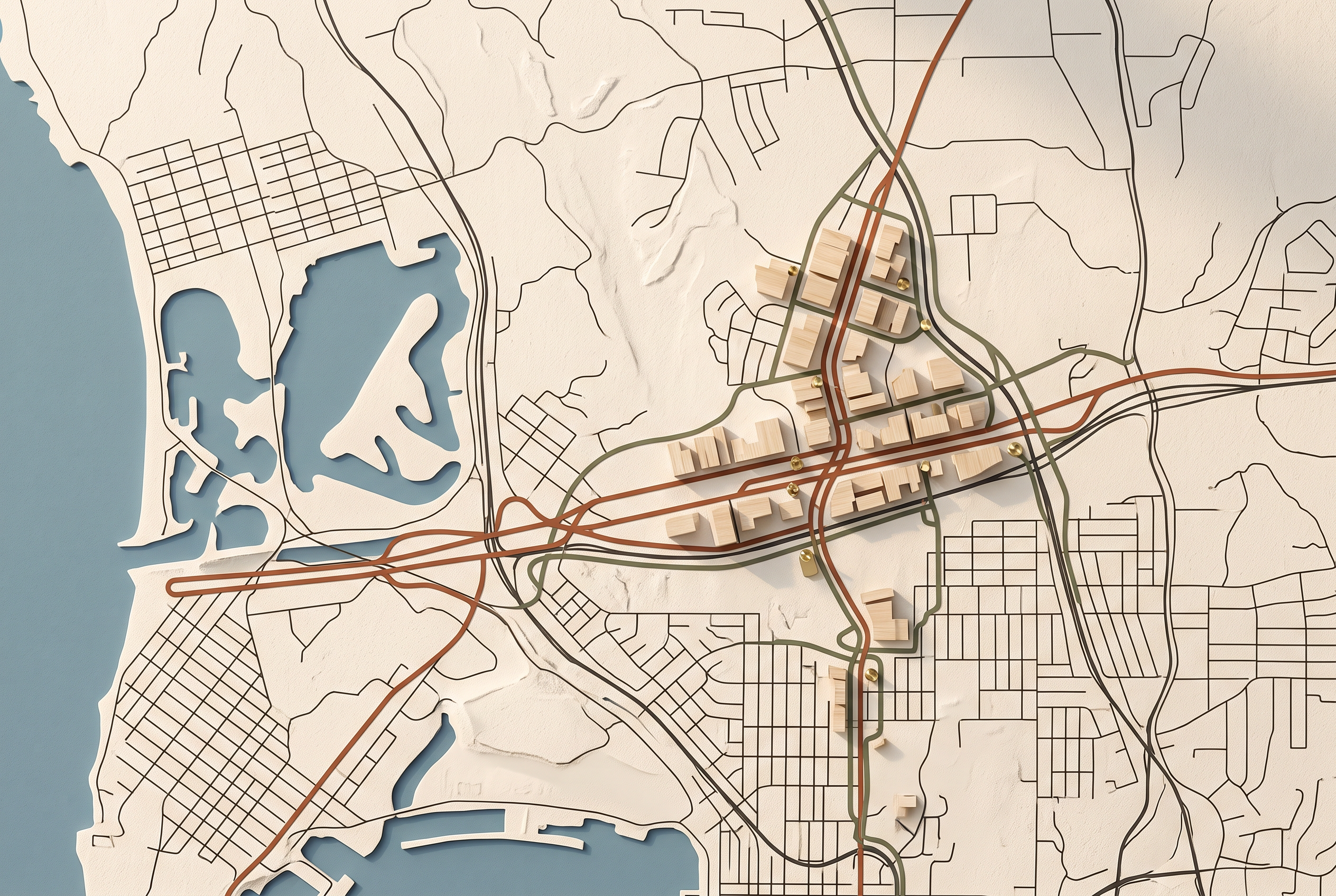
A full-service manager for a Mission Hills rental runs the recurring work of the property for you: guest messages, nightly pricing, turnovers and cleaning, maintenance coordination and owner reporting. Atlia does this for a flat 10% management fee, with repairs and supplies passed through at cost, while you keep the approvals.
That also answers the question owners ask first: how much does it cost to pay someone to manage an Airbnb? Atlia's management fee is a flat 10%, and repairs and supplies are billed at what they cost. This guide covers what the work includes, what stays with you, and how to judge any manager before you sign.
What a Mission Hills owner hands to a full-service manager, and what stays with you
You hand over the work that repeats every stay. You keep the decisions that are yours.
Atlia is a full-service short-term rental management company, backed by Y Combinator, that runs Airbnb and Vrbo properties end to end. For a Mission Hills owner, five jobs move off your plate: guest communication, dynamic pricing, turnover and cleaning coordination, maintenance coordination, and owner reporting.
What stays with you is approval. You see what is happening through clear reporting, and you approve the spending and decisions that are yours to make. The daily operation belongs to the manager. The ownership decisions belong to you.
This is the same arrangement we describe for Hillcrest and Point Loma owners. Atlia works the same way across San Diego, so a Mission Hills owner gets the same scope and the same fee.
Guest communication and dynamic pricing: who answers and who sets the rate
With a full-service manager, the manager's team answers guests and the manager sets the nightly rate.
Guest communication covers the messages that arrive before, during and after a stay: booking questions, check-in details, and the problem that surfaces at an inconvenient time. You stop being the person who reads every notification.
Pricing works the same way. Dynamic pricing means the nightly rate moves with demand instead of sitting at a number you set once and forgot. The manager owns that adjustment, so you are not repricing by hand. For how rate-setting works in San Diego, see our dynamic pricing guide, and for the messaging side, who answers guests.
If a manager tells you that you will keep answering guests or setting rates yourself, that is not full-service. Ask who does each job and get the answer in writing.
Turnovers, cleaning and maintenance coordination, with approvals
Turnovers repeat with every stay, which makes them the most regular hands-on job a rental has.
Between stays, Atlia coordinates the turnover and cleaning so the property is ready for the next guest. When something breaks, Atlia coordinates the maintenance. You approve the repairs, and repairs and supplies are passed through at cost with no markup added.
The approval step matters. It keeps the arrangement from feeling like a blank check. A good manager brings you the issue and the cost, and you decide.
Two related guides go deeper on the money side: who approves what on repairs and what happens between stays.
The one-hour local contact: what the city requires and what Atlia's staffed San Diego base covers
San Diego's short-term rental rules call for a local contact who can respond to a reported complaint in person or by phone within one hour and take action to address it.
The designation is the host's to make. Atlia's staffed San Diego base covers that local-contact role and responds in person or by phone inside the one-hour window. That coverage is included in the management rate, so you are not paying extra for it.
If you self-manage, you are the local contact. Your phone has to be answered inside that hour wherever you are. Whoever you pick, ask exactly who picks up and how they reach the property.
For the city's own wording on host requirements, see the City Treasurer's short-term residential occupancy page.
Licensing: confirm your planning area on the city's Community Planning Area map (as of November 2026)
Check the city's Community Planning Area map to confirm how your address is treated, because San Diego assigns license treatment by planning area.
As of November 2026, the city's rule is binary: a dwelling unit inside the Mission Beach Community Planning Area is Tier 4, and a unit in any other planning area is Tier 3. The city applies this by planning area, so a neighborhood's name tells you nothing about its treatment. Mission Hills gets no special rule of its own. Use the map to confirm where your property sits instead of assuming.
The City Treasurer's page is the source for license tiers, applications and host requirements. For the tier details, read our guide to San Diego's tier rule rather than relying on a summary here, and for the tax side see our transient occupancy tax guide. Rules and rates change, so verify against the city before you act.
Atlia's flat 10% fee, repairs and supplies at cost, and what owner reporting shows
Atlia charges a flat 10% management fee, with repairs and supplies passed through at cost.
Here is how the pieces line up:
| Item | How it works with Atlia |
|---|---|
| Management fee | Flat 10% |
| Repairs | Passed through at cost |
| Supplies | Passed through at cost |
| Local-contact coverage | Included in the rate |
| Your role | Approvals |
Reporting is how you see the work. Owners stay informed through transparent reporting and clear approvals while Atlia handles the daily operation. When you read a statement, you should be able to tell what came in, what the fee was, and what repairs and supplies cost. Our guide to reading an owner statement shows what to look for.
The number itself is the least interesting part. What matters is what is bundled in and what is billed separately, so compare scope, not just the headline percentage.
How to judge a manager before you sign: questions, red flags and FAQ
Judge a manager by what they will put in writing and who they put on the phone.
Ask for the fee structure on paper, including exactly what is charged beyond the management percentage. Ask who the local contact is and how fast they respond. Ask what you approve and what the manager decides alone.
Red flags to watch for:
A fee that is vague about what repairs and supplies cost you
No clear answer on who covers the one-hour local-contact role
A manager who cannot explain how nightly rates get set
Reporting you cannot read or that arrives without explanation
Pressure to sign before you have seen the terms
Specific, written answers are a good sign. General, verbal ones mean keep looking.
On licensing, you do not need to be sure of every rule before you talk to a manager. Confirm your planning area on the city map, then ask each candidate what they handle.
Hand over the daily work, keep the approvals, and ask Atlia for the scope
The clean split for a Mission Hills rental is this: the manager runs guest messages, pricing, turnovers, maintenance coordination and reporting, and you keep the approvals. Atlia does that for a flat 10% with repairs and supplies at cost, and its staffed San Diego base covers the local-contact role inside the one-hour window. If you are deciding whether to hand off day-to-day operations, ask Atlia to walk you through the scope and the fee for your property.
Frequently asked questions
Questions owners ask
How much does it cost to pay someone to manage an Airbnb?
It depends on the manager and what the fee includes. Atlia charges a flat 10% management fee, with repairs and supplies passed through at cost. When you compare managers, ask what is bundled into the percentage and what is billed on top, since that gap changes your real cost more than the headline number.
What does a full-service Airbnb manager do in Mission Hills?
A full-service manager runs guest communication, dynamic pricing, turnover and cleaning coordination, maintenance coordination and owner reporting. Atlia does all five for Mission Hills owners, who keep the approvals. Its staffed San Diego base also covers the local-contact role inside the city's one-hour window, included in the rate.
How do I know what license applies to my Mission Hills property?
Check the city's Community Planning Area map. Confirm your location on the map and review the City Treasurer's short-term residential occupancy page for current requirements.
How do I know if a property management company is legit?
Ask for the fee structure in writing, including what repairs and supplies cost you. Ask who the local contact is and how quickly they respond. Check that reporting is readable and that you approve spending. Atlia publishes a flat 10% fee with repairs and supplies at cost, so you can compare that against any other quote.
Sources
- https://www.sandiego.gov/treasurer/short-term-residential-occupancy
- https://atlia.revnu.sh/hillcrest-airbnb-management-what-a-local-manager-does
- https://atlia.revnu.sh/point-loma-airbnb-management-what-a-local-manager-does
- https://www.atlia.com/
- https://www.atlia.com/blog/hillcrest-airbnb-management-what-a-local-manager-does/